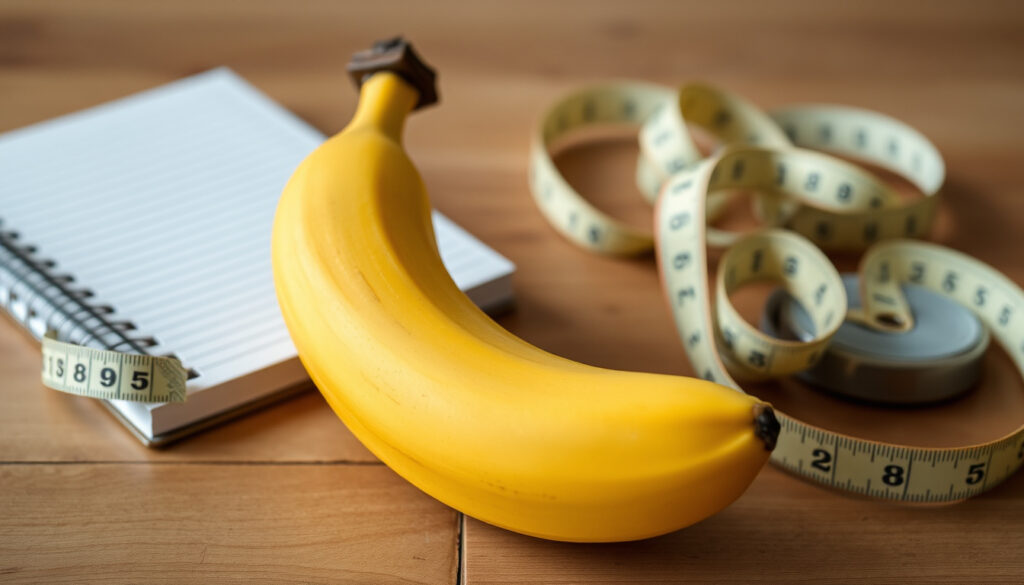
How Many Calories in a Banana? Nutrition Facts and Health Benefits
You’ve probably typed “how many calories in a banana” into a search bar more times than you’d like to admit. The answer is delightfully consistent: a medium banana packs about 105 calories, according to the USDA SNAP-Ed Connection.
Medium banana calories: 105 ·
Small banana calories: 90 ·
Large banana calories: 121 ·
Carbohydrates (medium): 28 g ·
Sugar (medium):strong> 15 g ·
Fiber (medium): 3 g
Quick snapshot
- Medium banana = 105 calories (USDA SNAP-Ed)
- 28 g carbs, 15 g natural sugar, 3 g fiber (Harvard Nutrition Source)
- Bananas have zero added sugar (USDA SNAP-Ed)
- Optimal daily banana intake for general health
- Whether bananas help or hinder weight loss (depends on overall diet)
- Conflicting medical advice on bananas for kidney patients vs. healthy individuals
- 2024 USDA maintains 105-calorie standard for medium bananas (USDA SNAP-Ed)
- 2019 Harvard Nutrition Source publishes updated banana nutrient profile (Harvard T.H. Chan School of Public Health)
- 2018 FDA updates daily potassium reference value to 4700 mg (USDA SNAP-Ed)
- More research on resistant starch in green bananas and gut health
- Updated dietary guidelines may clarify fruit sugar recommendations
- Ongoing debate about bananas and diabetes management
Here’s a glance at the core numbers that define banana nutrition for a standard medium fruit.
| Nutrient | Value per medium banana (118 g) |
|---|---|
| Calories | 105 |
| Carbohydrates | 28 g |
| Sugar (naturally occurring) | 15 g |
| Fiber | 3 g |
| Potassium | 422 mg |
| Protein | 1 g |
| Vitamin B6 | 0.4 mg |
How many kcal does 1 banana have?
Calories by banana size and weight
Healthline provides a handy size chart: an extra-small banana (under 6 inches, about 81 g) contains roughly 72 calories, a small banana (6–7 inches, 101 g) has about 90 calories, a medium (7–8 inches, 118 g) offers 105 calories, a large (8–9 inches, 136 g) delivers 121 calories, and an extra-large (9+ inches, 152 g) tops out at 135 calories.
The implication: a few inches of banana length can change your calorie count by nearly 50%, so dialing in your serving size matters if you’re tracking precision.
Calorie breakdown: carbs, protein, fat
- Carbohydrates: 28 g (93% of calories) — mostly natural sugars and starch.
- Protein: ~1 g (4% of calories) — modest but present.
- Fat: less than 0.5 g (3% of calories) — negligible.
Healthline confirms this macronutrient profile, making bananas a carbohydrate-dense fruit with minimal fat and protein.
How banana calories compare to an apple
A medium apple (182 g) contains about 95 calories, 25 g carbs, 4.4 g fiber (Healthline). Bananas have ~10 more calories and 3 more grams of carbs, but apples deliver a bit more fiber and vitamin C. The difference is small enough that neither fruit is a clear “winner” on calories alone — the choice depends on your nutrient priorities.
Are bananas good for dieting?
Fiber and satiety
With 3 g of fiber per medium banana, this fruit helps slow digestion and promote fullness. Harvard’s Nutrition Source notes that bananas also contain pectin, a type of soluble fiber that may improve gut health. Green bananas are especially rich in resistant starch, which acts like fiber and may support weight management (Healthline).
Glycemic index and blood sugar
Bananas have a glycemic index of about 51 (low to moderate) and a glycemic load of 10–12 (low) per medium fruit (Healthline). This means they don’t spike blood sugar as dramatically as high-GI foods, but the effect depends on ripeness — greener bananas produce a smaller glycemic response.
Bananas as pre‑ or post‑workout fuel
The quick-release carbohydrates in a ripe banana make it a natural pick for pre-workout energy. Post-exercise, the potassium (422 mg per medium banana) helps replenish electrolytes lost through sweat. Healthline suggests a banana is an affordable alternative to sports drinks.
Is 1 banana a day too much sugar?
Natural vs. added sugar
USDA SNAP-Ed lists zero grams of added sugar for bananas. All 15 g of sugar in a medium banana are naturally occurring. The American Heart Association recommends limiting added sugar to 25 g per day for women and 36 g for men — one banana uses none of that budget.
Sugar content compared to daily limits
The World Health Organization suggests keeping added sugar intake below 10% of total calories — about 50 g for a 2000-calorie diet. Since banana sugar is not added, it doesn’t count against that cap. However, some low-carb or diabetic protocols may still consider total sugar, including natural sources. Food Network notes that a medium banana contains roughly the same amount of sugar as two Oreos, but with fiber, vitamins, and minerals the cookies lack.
Bananas and diabetes
People with diabetes can eat bananas in moderation. The glycemic load of 10–12 is considered low, and portion size matters. A small banana (90 cal, 12 g sugar) is often recommended for diabetics over larger sizes. Harvard advises pairing a banana with a source of protein or healthy fat to blunt the blood sugar rise.
What’s healthier, an apple or a banana?
Calorie comparison
Apples win on calories (95 vs 105), but the difference is trivial. For weight management, the 10-calorie gap is negligible.
Fiber, vitamins, and minerals
- Fiber: Apple has 4.4 g (Healthline); banana has 3 g.
- Potassium: Banana dominates with 422 mg; apple has about 195 mg.
- Vitamin C: Apple provides about 8.4 mg; banana provides 8.7 mg (similar).
- Vitamin B6: Banana is a standout with 0.4 mg (20% DV); apple has negligible B6.
Best choice for different goals
If you need post-workout electrolytes, choose a banana. If you want a higher-fiber, lower-sugar snack, an apple is slightly better. Both are excellent whole fruits with no added sugar, and variety is more important than picking one.
The pattern: neither fruit is inherently superior — your personal health goals and context dictate the winner.
Five fruits, one question: how do they really compare on the metrics that matter for different diets? Here’s a head-to-head.
| Nutrient | Medium banana (118 g) | Medium apple (182 g) |
|---|---|---|
| Calories | 105 | 95 |
| Carbohydrates | 28 g | 25 g |
| Sugar | 15 g (natural) | 18.9 g (natural) |
| Fiber | 3 g | 4.4 g |
| Potassium | 422 mg | 195 mg |
| Vitamin C | 8.7 mg | 8.4 mg |
| Vitamin B6 | 0.4 mg | trace |
| Glycemic load | 10–12 | 6–8 |
Are there any downsides to eating bananas?
Sugar and tooth decay concerns
Bananas contain fermentable carbohydrates that can feed oral bacteria. However, the American Dental Association considers fresh fruit less harmful than dried fruit or candy. Riper bananas with higher sugar pose a slightly higher risk if consumed frequently without oral hygiene.
Potassium overdose risk
Healthy kidneys efficiently excrete excess potassium, making overdose from bananas nearly impossible. However, individuals with chronic kidney disease or those on potassium-sparing diuretics should limit intake. University Hospitals notes that a large banana contains about 487 mg of potassium, which may be significant for people with compromised renal function.
Bananas with certain medications
ACE inhibitors and angiotensin receptor blockers (common blood pressure medications) can raise blood potassium levels. Harvard recommends discussing fruit intake with your doctor if you take these drugs.
Pros and Cons of Eating Bananas
Upsides
- Rich in potassium (422 mg per medium banana), supporting heart and muscle function.
- Good source of vitamin B6 (0.4 mg) and vitamin C.
- Contains prebiotic fiber (pectin and resistant starch) for gut health.
- Convenient, affordable, and naturally low in fat.
Downsides
- Higher sugar content (15 g natural) compared to many other fruits.
- Can cause bloating in sensitive individuals due to FODMAPs (fructose and polyols).
- Ripe bananas have less resistant starch and a higher glycemic impact.
- Not suitable for very low-carb or ketogenic diets.
What Experts Say
“Bananas are a portable, nutrient-rich fruit that fits well in a balanced diet. They provide more calories and carbs than many other fruits, which can be an advantage for active individuals.”
Harvard T.H. Chan School of Public Health – The Nutrition Source
“The problem isn’t the natural sugar in a banana — it’s the added sugar we pour on top. A whole banana with its fiber matrix is vastly different from a high-fructose corn syrup soda.”
Dr. Robert Lustig, pediatric endocrinologist (expert perspective on natural vs. added sugar)
Summary
Bananas are a calorie-dense fruit that delivers a solid bundle of carbohydrates, fiber, potassium, and vitamins — perfect for fueling a workout or curbing a hunger pang. For the calorie-conscious dieter in the U.S., the choice is clear: stick with a small to medium banana (90–105 calories) and treat the natural 15 g of sugar as part of your daily fruit intake, not a red flag. For athletes and active individuals, a large banana (121 calories) offers portable energy without processed ingredients. For those with kidney issues or on specific medications, moderation or medical guidance is the smarter path.
The bottom line for most eaters: a banana’s calorie count is the least interesting thing about it — its nutrient package and how you use it matter far more.
healthline.com, strongrfastr.com, nutrition.umd.edu, getpanelry.com, nutritionsolver.com
Frequently asked questions
Why do some doctors say not to eat bananas?
Some doctors advise caution for patients with chronic kidney disease (due to potassium) or those on potassium-interfering medications. Others point to the sugar content as a concern for diabetics, though moderate consumption is generally safe.
Why not eat bananas for breakfast?
Eating a banana alone for breakfast can cause a quick blood sugar spike followed by an energy crash due to its predominantly carbohydrate profile. Pairing it with protein (yogurt, eggs, nuts) is recommended to sustain energy.
What is the banana trick to empty bowels?
The “banana trick” refers to eating a ripe banana on an empty stomach to stimulate bowel movements. Bananas contain pectin and sorbitol, which can have a mild laxative effect in some people.
Is it healthy to eat 2 bananas a day for 30 days?
For a healthy adult, eating two bananas daily within a balanced diet is safe and provides valuable nutrients. It’s not harmful unless it displaces other essential foods or exceeds your calorie needs.
What fruits should not be mixed with bananas?
Ayurvedic tradition advises against combining bananas with dairy (especially milk) due to potential digestive heaviness. There is no scientific consensus, but some people report bloating when bananas are mixed with other sweet fruits like melon.
How many calories are in a banana with peanut butter?
A medium banana with 2 tablespoons of peanut butter adds roughly 105 (banana) + 190 (peanut butter) = about 295 calories. The combination provides protein, healthy fats, and sustained energy.
More related posts
 Right Eye Twitching Female: Medical, Superstition & Spiritual
 Rhythm and Vines Lineup 2026: Full Artist List
 Noel Leeming Vacuum Cleaners: Top Picks & Buying Guide
 Canterbury Red Wind Warning – No Active Alerts in Kent
 Chiefs vs Moana Pasifika: Time, Stream & Prediction Guide
 NexGard Spectra for Cats: Dosage, Side Effects, and FAQ
 Christchurch to Palmerston North Flights: Time, Cost & Tips
