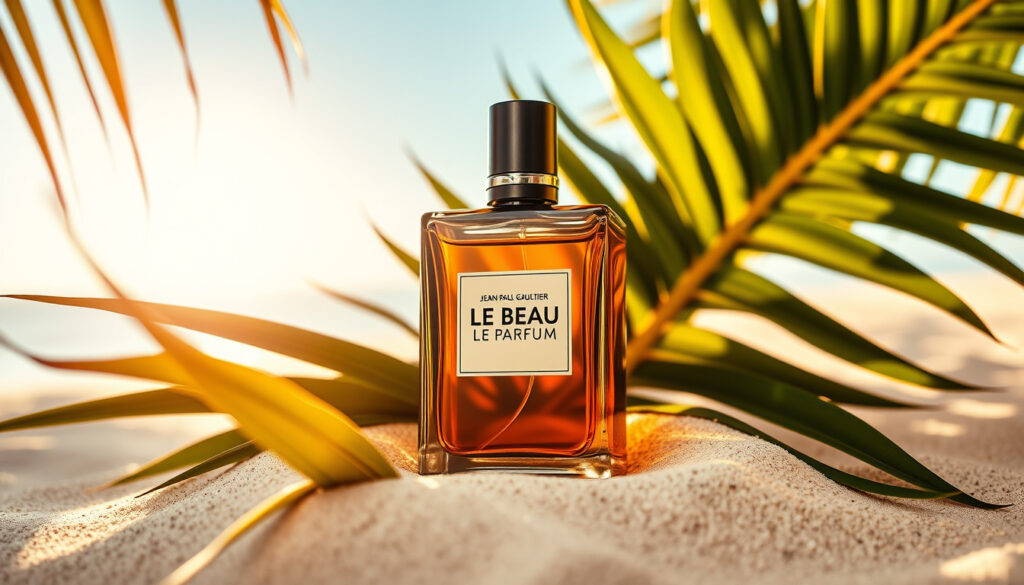
Le Beau Le Parfum Review: Scent, Strength, and Comparison
There’s a moment in the fragrance world where a flanker doesn’t just improve on the original — it redefines its place in a lineup. Le Beau Le Parfum, launched in 2022, aims to do exactly that for Jean Paul Gaultier’s Le Beau collection.
Concentration: Eau de Parfum ·
Main Notes: Pineapple, Coconut, Sandalwood ·
Longevity: 6–8 hours (user reports)
Quick snapshot
- Launched in 2022 (Fragrantica (community fragrance database))
- Eau de Parfum concentration (Parfumo (fragrance review platform))
- Coconut and pineapple top notes (YouTube fragrance reviewer)
- Exact launch month not confirmed (Fragrantica lists only year)
- Whether the fragrance is best for warm or cold weather (Macy’s suggests eveningwear)
- Longevity varies by skin chemistry (Basenotes user report)
- 2022 launch — marks the entry of a richer flanker in the Le Beau line (Fragrantica)
- Le Beau Le Parfum is positioning itself as a go‑to night‑out and date‑night option in the JPG lineup (Macy’s (US department store))
Here are the key facts about Le Beau Le Parfum at a glance.
| Attribute | Value |
|---|---|
| Fragrance Name | Le Beau Le Parfum |
| Brand | Jean Paul Gaultier |
| Concentration | Eau de Parfum |
| Main Notes | Pineapple, Coconut, Sandalwood |
| Size Options | 75ml, 125ml, 4.2 oz |
| Launch Year | 2022 (Fragrantica) |
| Longevity (user reports) | 6–8 hours (Basenotes (fragrance enthusiast forum)) |
| Projection | Strong for 3–4 hours (Fragman (fragrance blog)) |
| Price Range | $89–$143 (75ml–125ml) |
What does Le Beau Le Parfum smell like?
The scent profile of Le Beau Le Parfum is tropical, woody, and sweet — a departure from the aquatic freshness of the original Le Beau EDT. It opens with a punch of pineapple, iris, ginger, and cypress, then settles into a creamy coconut heart, and finally rests on a base of tonka, sandalwood, and amber.
What are the key notes of Le Beau Le Parfum?
- Top notes: Pineapple, Iris, Ginger, Cypress (Nykaa (Indian beauty retailer))
- Middle notes: Coconut (YouTube fragrance reviewer)
- Base notes: Tonka, Sandalwood, Amber (Parfumo)
The coconut note is the standout — it’s not the sun‑tan‑lotion variety but a more natural, almost creamy coconut that blends with the pineapple to create a tropical‑sweet opening. The ginger and iris add a slight spicy‑floral lift, while the woody base keeps it grounded.
How does the scent develop over time?
Reviewers describe the evolution as linear but pleasant. The initial blast of pineapple and coconut dominates the first hour, then the tonka and sandalwood emerge as the sweetness fades, leaving a soft, warm amber trail. One user on Basenotes noted that the dry‑down is “smooth and enjoyable” with modest projection after the first few hours.
The implication: this profile strongly favors evening and special‑occasion wear rather than everyday office use.
How strong is Le Beau Le Parfum?
Strength is where this flanker earns its “Parfum” label. Users consistently report above‑average longevity and projection, making it suitable for evening wear and cooler summer nights.
How long does Le Beau Le Parfum last?
- Fragman blog: 8–10 hours on skin, with projection lasting 3–4 hours (Fragman)
- Basenotes user: Around 6 hours depending on skin chemistry (Basenotes)
- YouTube reviewers: 8–9 hours on average (YouTube fragrance reviewer)
The consensus: 6–9 hours, with most users landing around 7–8 hours. That’s solid for an EDP and a clear step up from the EDT’s 5–6 hours.
How is the projection and sillage?
Projection is “strong” for the first 3 hours, then moderate for the rest of the wear. The Macy’s product page describes it as a “strong scent” and “lasting fragrance,” while a YouTube fragrance reviewer called it a “compliment getter” with noticeable sillage.
For anyone who found the original Le Beau EDT too faint after an hour, Le Beau Le Parfum solves that problem decisively. The trade‑off: it’s less versatile for daytime wear — you’ll want to reserve it for evenings or date nights.
The pattern: this is a fragrance built for impact, not all‑day subtlety.
Is Le Beau Le Parfum or Le Beau better?
This is the central question for anyone eyeing the Le Beau line. The two fragrances share a name but differ in concentration, note profile, and overall vibe.
Five key differences, one pattern: Le Beau Le Parfum trades the EDT’s lightness for depth and longevity.
| Attribute | Le Beau (EDT) | Le Beau Le Parfum (EDP) |
|---|---|---|
| Concentration | Eau de Toilette | Eau de Parfum |
| Main Notes | Aquatic, bergamot, coconut, woods | Pineapple, coconut, iris, ginger, sandalwood |
| Longevity | 5–6 hours (YouTube fragrance reviewer) | 6–9 hours |
| Projection | Moderate, 1–1.5 hours (same reviewer) | Strong, 3–4 hours |
| Best for | Daytime, casual, summer | Evening, date night, cooler summer nights |
| Price (125ml) | ~$80 | ~$143 |
The implication: If you value a fresh, easy‑wearing scent for high heat, the EDT wins. But for performance, depth, and a more memorable trail, the Parfum is the clear choice.
What are the differences between Le Beau and Le Beau Le Parfum?
Beyond concentration, the biggest difference is the note profile. Le Beau EDT leans aquatic and tropical, with a lighter coconut nuance. Le Beau Le Parfum goes heavier on the coconut and pineapple, adding iris and ginger for a spicier, more complex opening. The Parfum also has a noticeably stronger amber‑woody base.
Which one should you choose?
Choose Le Beau EDT if you need a summer daytime scent that won’t overpower. Choose Le Beau Le Parfum if you want a statement fragrance that lasts through dinner and drinks. Fragman puts it bluntly: “Le Beau Le Parfum wins in every category — performance, depth, smoothness.”
The catch: you have to decide which use case matters more to you.
What is the best smelling Jean Paul Gaultier for men?
Jean Paul Gaultier has a stacked lineup: Le Male, Ultra Male, Scandal, and the Le Beau series. Among them, Le Beau Le Parfum often ranks high for its unique coconut note and modern appeal.
What are the top‑rated JPG men’s fragrances?
- Le Male (1995): The classic — vanilla, lavender, mint. Still a bestseller.
- Ultra Male (2015): Sweet, fruity, party‑friendly — pear, vanilla, cinnamon.
- Scandal (2017): Honey, blood orange, patchouli — bold and divisive.
- Le Beau Le Parfum (2022): Coconut, pineapple, woody — the modern tropical contender.
On Fragrantica, Le Beau Le Parfum sits at 9.5/10 from user ratings, placing it among the top‑rated JPG scents. Its uniqueness comes from the coconut note, which is rare in the men’s designer market.
How does Le Beau Le Parfum compare to other JPG scents?
Compared to Ultra Male, Le Beau Le Parfum is less sweet and more woody. Compared to Scandal, it’s less gourmand and more tropical. It’s the most summer‑friendly of the strong performers, though still best worn in the evening.
The takeaway: for a tropical‑woody alternative to the classic JPG sweet‑gourmand DNA, Le Beau Le Parfum is a standout.
Is Le Beau Le Parfum good?
Short answer: yes, for most buyers. Long answer: it depends on what you wear it for.
What do users say about Le Beau Le Parfum?
- Boots (UK pharmacy): “Gorgeous, sexy sweet, and tropical” (YouTube fragrance reviewer quoting Boots)
- Reddit user: “If you’re 37 you may want to skip, it does lean definitely more youthful” (Reddit (fragrance community))
- Fragman: “Solid release from Jean Paul Gaultier” (Fragman)
Is Le Beau Le Parfum suitable for daily wear?
It’s not a daily driver for most people. The projection and sweetness make it more suited for nights out, dates, or special occasions. Some users say it works for warm summer evenings.
Do girls like Le Beau Le Parfum?
Reportedly, yes. Multiple reviewers mention it as a “compliment getter” from women. The sweet, tropical profile is seen as attractive and fun. However, it’s not a universal crowd‑pleaser — some may find the coconut too dominant.
Upsides
- Excellent longevity (6–9 hours)
- Strong projection and sillage
- Unique coconut‑pineapple combo
- High compliment potential
- Beautiful bottle design
Downsides
- Not suitable for very formal occasions
- Can be too sweet for some
- Pricey compared to EDT
- Leans youthful — may not suit older men
- Not ideal for extreme heat
“If you’re 37 you may want to skip, it does lean definitely more youthful.”
— Reddit user, r/fragrance
“Gorgeous, sexy sweet, and tropical.”
— Boots product review summary, via YouTube fragrance reviewer
The verdict: choose it for its strengths, not as a do‑everything bottle.
For a deeper dive into its performance and notes, check out our detailed Le Beau Le Parfum review on Kiwireview.
Frequently asked questions
How much does Le Beau Le Parfum cost?
Prices range from about $89 for the 75ml bottle to $143 for the 125ml bottle. Availability varies by retailer.
Where can I buy Le Beau Le Parfum?
It’s sold at major retailers: Macy’s, Boots, Notino, The Perfume Shop, and Jean Paul Gaultier’s official site.
Does Le Beau Le Parfum come in a 125ml bottle?
Yes, the 125ml is the larger size option, often the best value per ml.
Is Le Beau Le Parfum suitable for summer?
Yes, but primarily for summer evenings. The sweetness and projection can be cloying in extreme heat.
What is the bottle design of Le Beau Le Parfum?
The bottle is a green glass torso with a wooden cap, consistent with the Le Beau line. The Parfum version has a darker, more opaque green.
Does Le Beau Le Parfum have a leather note?
No, there is no leather note in the official breakdown. The base is woody and ambery, not leather.
For the buyer in the US market, the choice is clear: if you want a tropical‑woody fragrance that performs and gets compliments, Le Beau Le Parfum delivers. If you need versatility for daytime and office wear, stick with the original Le Beau EDT — or consider a different JPG like Le Male.
More related posts
 Burger on a Plate: Perfect Presentation and Recipes
 Rangiora Eco Holiday Park: Rates, Reviews & Location
 Best Compostable Trash Bags 2026: Reviews & Buying Guide
 2 Degrees Monthly Plans: Prices, Deals & How to Switch
 Ice Ice Baby Timaru: Menu, Hours & Story
 Best Toy Cars for Kids: 2025 Complete Guide & 2026 Trends
 New Balance Men’s 530s: Style, Comfort & Buying Guide (2025)
 How to Cook a Bolar Roast: Oven & Slow Cooker
