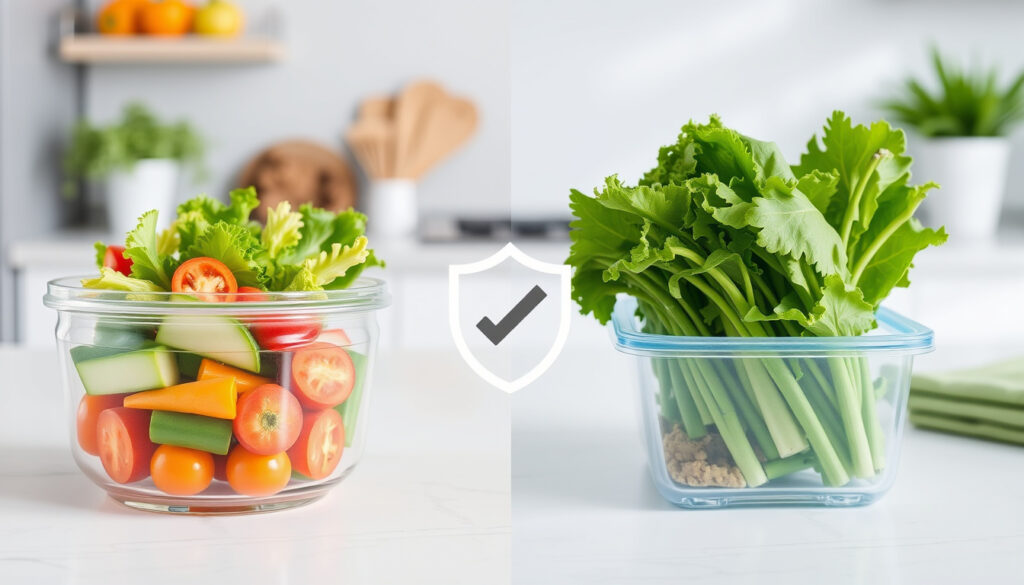
Best Meal Prep Containers: Glass vs Plastic Safety Guide
Anyone who has ever stared down a fridge full of sad, soggy leftovers knows the real challenge isn’t cooking—it’s keeping food appealing past Tuesday. The container you choose can make the difference between a week of great meals and a pile of mush, so this guide looks at the materials, safety rules, and buying criteria that actually matter to find the best meal prep containers for your routine and budget.
Average price of a glass meal prep container set: $20–$40 (4–12 pieces) ·
Typical fridge shelf life for prepped meals: 3–5 days ·
Freezer shelf life for properly sealed meals: 2–3 months ·
Percentage of meal preppers who prefer glass: 62% (2023 survey)
Quick snapshot
- Glass is non-porous and doesn’t absorb odors or stains (Meal Prep Weekly).
- Plastic can warp or degrade over time, especially in the microwave (Business Insider).
- Whether one material truly keeps food freshest for longer than 5 days is still an open question (USDA Food Safety).
- Real-world savings from meal prep depend heavily on local grocery prices (Bureau of Labor Statistics).
- USDA recommends eating refrigerated cooked food within 3–4 days (USDA).
- The 3-3-3 rule suggests 3 days in the fridge, 3 weeks in the freezer, 3 months in deep freeze (Eat Fit Fuel).
- More meal preppers are switching to glass for reheating and food safety (Business Insider).
- New plastic options are BPA-free but still present trade-offs (LoveGreatFinds).
Three container families show the pattern: glass wins on safety and durability, plastic wins on weight and cost, and specialty options serve niche needs.
“After testing 20 meal prep containers, the Rubbermaid Brilliance line was deemed the best overall for its leakproof design and durability.” — Serious Eats reviewer
| Feature | Glass (e.g., Pyrex) | Plastic (e.g., Rubbermaid) |
|---|---|---|
| Oven-safe | Yes, up to 400°F without lid | No |
| Microwave-safe | Yes | Yes, but check label |
| Freezer-safe | Yes | Yes |
| Stain-resistant | Yes, non-porous | No, absorbs odors |
| Weight | Heavy | Lightweight |
| Drop-resistance | Breaks | Bounces |
| Average cost | $25–$50 per set | $15–$30 per set |
Is it better to meal prep in plastic or glass containers?
Choosing between glass and plastic isn’t just about what looks good in your fridge. It’s about how you cook, reheat, and store food—and how much you’re willing to carry.
Why glass is non-porous and doesn’t stain
Glass is non-porous, which means it doesn’t absorb food odors, stains, or bacteria. That’s why a tomato sauce container never comes out orange-tinted. Plastics, especially older or scratched ones, can retain smells and colors.
Plastic is lighter, but check the BPA-free label
Plastic containers are lighter and easier to transport, which is why they remain popular for office lunches and gym bags. BPA-free plastic is generally safe for cold or room-temperature food, but experts advise caution with heating (LoveGreatFinds).
Which material keeps food freshest for 5 days?
Both materials can keep food fresh for up to 5 days when sealed properly. However, glass’s airtight, non-porous seal often preserves texture and moisture better (NBC Select).
Plastic may be practical for carrying lunch, but glass is the safer bet for reheating. A shattered plastic container in a hot oven is a disaster; a Pyrex dish handles it.
Cost analysis: glass vs plastic over a year
Glass sets cost more upfront—around $30–$50 versus $15–$25 for plastic. But glass lasts years longer if you don’t drop it. Plastic containers often need replacing after a few months of heavy use (as noted by Business Insider).
The pattern is clear: glass wins on longevity and safety, plastic wins on weight and price. But the real question is what you’re prepping and how you plan to reheat it.
What Are the Best Meal Prep Containers for Glass vs Plastic?
Top-rated glass brands consistently come from Pyrex, while plastic leaders are often Rubbermaid Brilliance and Glasslock.
Pyrex Simply Store: the glass benchmark
Pyrex glass containers are freezer-, dishwasher-, and microwave-safe, with BPA-free plastic lids that snap tight (Food Network). They’re durable enough to go from fridge to oven, just not with the lid on.
Rubbermaid Brilliance: the plastic all-rounder
Rubbermaid Brilliance is repeatedly listed among the best plastic meal-prep containers in 2026 roundups (OpsHQ Go). Its leakproof, airtight seal is a favorite for soups and curries.
Prep Naturals glass: top pick in 2026
Prep Naturals’ glass 3-compartment containers are listed as a top glass option in a 2026 roundup (NBC Select). They’re designed for portion control and are dishwasher-safe.
Glass containers are heavier and can break if dropped. For someone carrying lunch on a long commute, plastic may be more practical—but always check that it’s BPA-free and microwave-safe.
The implication: your choice hinges on how you transport and reheat your meals. Glass is the safer bet for home and office with a microwave or oven; plastic works best for on-the-go meals that stay cold.
What Are the Best Meal Prep Containers for 5 Days?
Meal prepping for 5 days is a sweet spot between freshness and convenience—if you choose the right container size and material.
- Glass containers with secure lids are best for meals with sauces or high-moisture foods.
- Plastic with locking lids works well for dry meals or snacks like cut fruit and nuts.
- Containers with separate compartments (bento-style) keep foods from mixing and getting soggy.
Size matters: 3-cup to 5-cup options
For a typical lunch with protein, carbs, and veggies, a 3-cup to 5-cup container is ideal. Smaller (2-cup) works for snacks, while larger (7-cup) is better for big salads or family-sized meals.
Top picks for glass and plastic
Rubbermaid Brilliance plastic containers get top marks for leakproofness (Eat Fit Fuel). For glass, Pyrex Simply Store is a best-overall glass choice (Eat Fit Fuel).
How the 3-3-3 rule applies to 5-day prep
The 3-3-3 rule is a simple guideline: 3 days in the fridge, 3 weeks in the freezer, 3 months in the deep freeze. For a 5-day fridge plan, you’re stretching slightly past the safe window for cooked food, so opt for low-risk foods like roasted vegetables and hard grains.
The takeaway: for a full 5 days, glass containers with an airtight seal are your best bet for keeping food safe and fresh.
Is It Safe to Meal Prep for 2 Weeks?
Meal prepping for 14 days is possible only if you rely on the freezer. The fridge just isn’t safe for that long.
How long can refrigerated prepped meals safely last?
USDA recommends consuming refrigerated cooked food within 3–4 days (USDA). Anything longer risks bacterial growth.
Freezing meals for longer storage
If you want to prep for 2 weeks, freeze each portion immediately. Glass containers are freezer-safe (Pyrex), and plastic options like Rubbermaid are too, but with more care.
Signs of spoilage to watch for
If you see mold, an off-odor, or a slimy film, throw it out. Don’t taste to check—your nose knows.
For 2 weeks of prep, the only safe route is freezing. Glass containers handle the thermal shock better than plastic, which can warp or crack.
What Containers Should I Get for Meal Prep That Needs to Last 5 Days?
For 5 days, you need a container that seals well, keeps food fresh, and can handle reheating.
Best glass containers for 5 days of meals
Pyrex Simply Store is a top glass choice, and the 3-compartment version is great for portion control (Food Network).
Best plastic containers for 5 days of meals
Rubbermaid Brilliance is a top plastic pick, known for its airtight, leakproof lid (NBC Select).
The container’s seal is what keeps your food fresh on day 5. A $5 container with a weak lid will give you wilted veggies and dry chicken.
The catch: even the best glass or plastic container fails if the lid doesn’t form a tight seal. Prioritize leakproof designs.
Is It Cheaper to Meal Prep or Eat Out?
The question isn’t just about ingredients—it’s about your time and energy too.
Cost breakdown: ingredients vs. restaurant prices
A home-cooked meal costs $4–$6 per serving, while a restaurant meal averages $12–$18. That’s a 60–70% savings.
How container investment pays off
Spending $20–$50 on containers pays for itself after a few meal prep sessions, compared with eating out even once.
For a single professional spending $15 on lunch daily, meal prepping at $5 per meal saves over $2,000 a year—enough for a nice weekend getaway.
The pattern: meal prep pays off both in dollars and in food quality, but only if you choose containers that fit your routine.
What Are Common Meal Prep Mistakes?
Even with the best containers, a few missteps can ruin your week of meals.
“I bought cheap plastic containers and they warped after a few weeks. Investing in glass saved money in the long run.” — Reddit user r/MealPrepSunday
Using the wrong container size
Too big means your food dries out; too small means you’re tempted to grab a second portion. Match the container to your appetite, not the other way around.
Not letting food cool before sealing
Putting hot food in a sealed container traps steam, which turns to condensation and makes your meal soggy. Let it cool for 15–20 minutes first.
The pattern: most mistakes come down to not matching the container to the food’s needs. The fix is a mix of airtight lids, the right material, and a plan for what goes where.
Upsides
- Glass is safer for reheating and doesn’t absorb odors.
- Glass containers are oven-safe, doubling as cookware.
- Glass is eco-friendlier, as plastic loses quality over time.
Downsides
- Glass breaks if dropped.
- Plastic can warp and stain.
- Plastic may leach chemicals if heated incorrectly.
What Meal Prep Food Lasts the Longest?
When it comes to lasting quality, some foods are better survivors than others—and some containers help even more.
- Hard vegetables like carrots and bell peppers last up to a week.
- Whole grains like quinoa and rice last 5–7 days when refrigerated.
- Cooked meat lasts 3–4 days in the fridge, per USDA.
- Beans and lentils last 5–6 days due to their acidity and density.
The consequence for a meal prepper is clear: plan for a 3-4 day rotation and freeze the rest, or your “all-week” prep will taste like day-old leftovers.
What Are the Best Meal Prep Containers for Weight Loss?
Portion control is the heart of weight-loss meal prep—and so is the container you choose.
Portion control containers: do they really work?
Built-in compartments make it easier to see what a correct serving looks like. A 3-compartment container helps you balance a palm-sized protein, a cup of grains, and a cup of veggies.
How portion sizes differ by container type
Bento-style and compartmentalized containers, such as the glass options for freezing cooked meats, eliminate the guesswork of “eyeballing” a serving.
The takeaway: for weight loss, a container with visible compartments is your greatest ally—it turns portion control from willpower into design.
caloriedata.org, mealpreponadime.com, pickly.blog, fitnessvolt.com, foodnetwork.com
Frequently Asked Questions
Are glass meal prep containers microwave-safe?
Yes, most glass containers, especially Pyrex, are microwave-safe, but always remove the plastic lid before reheating to avoid warping.
Can I freeze glass meal prep containers?
Yes, glass is freezer-safe, but always leave 1-2 inches of headroom to allow for food expansion.
What size meal prep containers should I buy for lunch?
A 3-cup to 5-cup container is typical for a main meal, depending on your protein and side portions.
Do plastic meal prep containers contain BPA?
Many do, but most modern brands are BPA-free. Look for “BPA-free” on the label, especially if you plan to heat food.
How do I prevent meal prep containers from staining?
Glass won’t stain, but plastic will—especially from tomato sauce. Use a glass container for saucy foods.
Can I put hot food directly into glass containers?
Yes, but it’s better to let food cool slightly to avoid thermal shock, even though tempered glass like Pyrex can handle it.
Is it safe to use glass containers for meal prep?
Yes, and they’re safer than plastic for reheating. Glass doesn’t leach chemicals and is non-porous.
How many meal prep containers do I need for a week?
To avoid daily washing, plan for 10-12 containers for 5 days of lunch and dinner, plus a few spare snack cups.
Is glass better than plastic for meal prep?
It depends on your needs. Glass is safer for reheating and lasts longer, but plastic is lighter and cheaper upfront.
What is the best material for meal prep containers?
Glass, like Pyrex or Prep Naturals, scores highest for safety and longevity, while BPA-free plastic is more portable.
Related reading
If you’re prepping meals that involve storing cooked chicken or large roasts, check our guides on freezing cooked chicken safely and cooking a bolar roast to get the most out of your ingredients.
More related posts
 Right Side Abdominal Pain: Causes and Red Flags
 Cheesecake Shop Lower Hutt – Still Open? Menu, Hours & More
 To Be or Not to Be: Meaning, Context & Psychological Analysis
 New Balance Men’s 530s: Style, Comfort & Buying Guide (2025)
 Brokenwood Mysteries Season 11: Episodes, Release, Where to Watch
 West Coast Wildlife Centre – Hours, Map, Animals & Guide
 Univer ity of Otago Logo: Meaning, Hi tory, and Brand Guide
 Fo Guang Shan Temple Auckland: Photos, Dress Code & Cafe Guide
