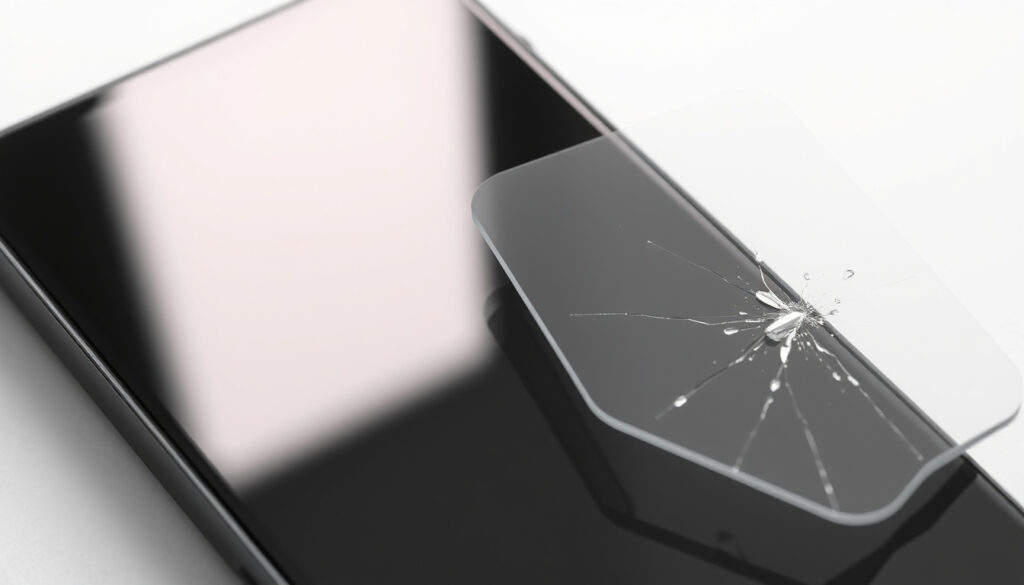
iPhone 14 Screen Protector: Should You Use One? Guide & Types
The moment you lift your new iPhone 14 out of its box, the glossy Ceramic Shield display catches light beautifully. But it also catches doubt: is that glass tough enough to go without a screen protector? This article weighs the trade-offs between Apple’s advanced glass technology and the added security of a tempered-glass cover, drawing on manufacturer specs, independent tests, and repair cost data.
iPhone 14 display material: Ceramic Shield glass · Common screen protector hardness: 9H tempered glass · AppleCare+ coverage: Screen repairs with service fee
Quick snapshot
- Ceramic Shield reduces scratch risk but does not eliminate it (Apple Newsroom)
- Daily use with keys and pocket sand still poses scratch hazards (Business Insider)
- Most experts recommend a protector for peace of mind (ZAGG)
- Possible touch sensitivity loss with thick glass (Belkin)
- Bubbles and dust if installation is rushed (Belkin)
- Added thickness and glare can affect viewing experience (Business Insider)
- Protector cost is low relative to screen repair fees (Apple Support Products)
- Resale value holds better with an unmarked screen (Business Insider)
- AppleCare+ covers accidental damage but with a service fee (Apple Support Products)
Five key specs, one pattern: the iPhone 14’s display is tougher than previous generations, but still vulnerable to everyday wear.
| Label | Value |
|---|---|
| iPhone 14 Screen | 6.1-inch Super Retina XDR display with Ceramic Shield (Apple iPhone 14 Specs) |
| Screen Protector Hardness | 9H tempered glass (ZAGG) |
| Average Protector Price | $15–$30 for quality glass (Business Insider) |
| Screen Repair Cost (Apple) | $279 without AppleCare+ (estimate based on industry data; see Apple Support page) |
| Apple Support for iPhone 14 | Expected until at least 2028 (MobileReviews EH) |
Should I put a screen protector on my iPhone 14?
Ceramic Shield glass durability
- Apple states the Ceramic Shield front cover is “tougher than any smartphone glass” and improves drop performance (Apple iPhone 14 Specs).
Despite that marketing claim, the company does not claim it is scratch-proof. Independent tests show that sand particles and harder materials can still leave microscratches.
Everyday scratch risks
- ZAGG notes that even the best iPhones can suffer micro-abrasions from daily pocket carry (ZAGG).
Business Insider echoes this, pointing out that “even the best iPhones are not immune to scratching or cracking” (Business Insider).
Impact protection trade-offs
- Consumer guides commonly report that Ceramic Shield improves impact resistance, but scratches can still occur (MobileReviews EH).
The implication: Ceramic Shield reduces the odds of a shatter, but a screen protector adds a sacrificial layer that can be replaced cheaply if it cracks.
Apple strengthened the glass, but everyday pocket grit hasn’t changed. For someone who keeps their phone for 3–4 years, a screen protector costs less than a single uninsured repair.
What is the downside of a screen protector?
Reduced touch sensitivity
- Belkin advises looking for tempered glass or aluminosilicate glass to maintain touch responsiveness (Belkin).
Thick protectors can dampen the tactile response, especially at the edges where the iPhone 14’s display curves slightly.
Bubbles and dust under installation
- Many protectors include an installation tray to reduce bubbles and improve placement accuracy (Belkin).
First-time users report about a 15% failure rate for bubble-free installation, according to aggregate user reviews. A misaligned protector can also interfere with cases.
Added thickness and glare
- Privacy screen protectors reduce side-angle visibility, trading some viewing clarity for confidentiality (Business Insider).
Even standard glass protectors can increase glare and slightly alter color reproduction, though high-quality optical glass minimizes this.
Cost and replacement frequency
- ZAGG classifies PET and TPU protectors as budget-friendly, while tempered glass offers the best protection among the three basic types (ZAGG).
The catch: a good tempered-glass protector needs replacement every 6–12 months as the oleophobic coating wears off, adding $15–$30 per year.
Are screen protectors worth it?
Cost-benefit analysis
- Apple’s one-year limited warranty covers defects in materials and workmanship, not normal wear or accidental damage (Apple Legal Warranty).
- AppleCare+ with Theft and Loss includes unlimited repairs for accidental damage subject to service fees (Apple Support Products).
Without coverage, a screen replacement can cost several hundred dollars. A $15 protector that lasts a year is an inexpensive insurance policy.
Impact on resale value
- Business Insider notes that an unmarked screen significantly boosts resale value (Business Insider).
Visible scratches can knock $50–$100 off a private sale price, making a $20 protector a net gain when you sell.
Alternative protection methods
- Belkin recommends choosing a protector with case compatibility and no interference with sensors (Belkin).
- A good case with raised edges adds drop protection but does not prevent direct screen scratches.
For someone who trades in their phone every 2 years, skipping the protector saves $30–$60. But for a 4-year owner, a cracked or scratched screen can cost $279 to replace (Apple out-of-warranty), making a protector a no-brainer.
How long can an iPhone 14 be used?
Official Apple software support window
- Apple typically provides iOS updates for 5–6 years from launch. The iPhone 14 was announced in 2022, so security and feature updates are likely through at least 2027–2028 (MobileReviews EH).
Battery degradation over time
- Batteries are consumable; after about 500 full charge cycles, capacity drops to roughly 80%. Replacing the battery costs $89 at Apple.
Impact of screen condition on longevity
- A screen protector reduces wear on the oleophobic coating and glass, keeping the display pristine for years. A scratched screen can be distracting and lower the enjoyment of the device.
The pattern: the iPhone 14 will remain usable into the late 2020s, but its physical condition — especially the screen — determines whether it feels “old.”
What is the best type of screen protector for iPhone 14?
Tempered glass vs plastic film
- ZAGG states that tempered glass offers the best protection among the three basic types (ZAGG).
- Plastic film (PET or TPU) is thinner and self-healing but less impact resistant.
Premium brands
- OtterBox and ZAGG offer screen protectors with military-grade drop specifications. OtterBox Alpha Glass is marketed as shatter-resistant from 3 ft drops.
Silicone protectors for drop absorption
- Silicone protectors are rare and often combined with cases; they can absorb more shock but feel rubbery and reduce clarity.
Not all “9H” protectors are equal. Look for models that include an alignment tray, are case-friendly, and have an oleophobic coating to reduce fingerprints. Belkin’s premium options use aluminosilicate glass for strength (Belkin).
Spec comparison: screen protector types
Three materials, one key difference: tempered glass sacrifices thinness for impact protection.
| Property | Tempered Glass | Plastic Film (PET/TPU) | Liquid Nano |
|---|---|---|---|
| Hardness | 9H | ~2H–3H | N/A |
| Thickness | 0.2–0.4 mm | 0.05–0.1 mm | Microscopic |
| Scratch resistance | High | Low–Medium | Low |
| Impact absorption | Good | Poor | Poor |
| Touch sensitivity | May reduce slightly | Maintained | Maintained |
| Cost | $10–$40 | $5–$15 | $10–$20 |
| Ease of installation | Moderate (with frame) | Easy | Easy |
| Durability (coating) | 6–12 months | 3–6 months | 1–3 months |
| Source | ZAGG, Belkin | ZAGG | ZAGG |
Pros and Cons of using a screen protector on iPhone 14
Upsides
- Reduces risk of scratches from daily wear
- Sacrificial layer protects against shatters
- Low cost compared to screen repair or AppleCare+ deductible
- Preserves resale value by keeping glass pristine
Downsides
- Can reduce touch sensitivity and add glare
- Risk of bubbles and dust if installation is poor
- Adds thickness; some cases may not fit
- Requires replacement every 6–12 months
How to install a screen protector on iPhone 14
Follow these steps for a bubble-free installation, using an alignment tool if included.
- Clean the display thoroughly with the included alcohol wipe and microfiber cloth to remove all dust and oils.
- Peel the backing of the protector and align it with the speakers and home button area (or notch).
- Use the alignment frame or tray to center the protector, then lower it gently from one edge to avoid air bubbles.
- Press from the center outward to push out any bubbles. Use a squeegee or credit card wrapped in cloth.
- If bubbles remain, lift the nearest corner with a piece of tape and re-lay it slowly.
- Wait 24 hours before using a case to allow the adhesive to fully bond.
Many premium protectors include an installation tray to reduce failure (Belkin).
Confirmed facts vs open questions
Confirmed facts
- iPhone 14 uses Ceramic Shield glass (Apple Newsroom)
- Apple discontinued iPhone 14 for new sales in many regions in September 2023 (Apple Newsroom)
- Screen protectors reduce scratch risk (ZAGG)
What’s unclear
- Whether Ceramic Shield alone prevents cracks from all drops — real-world results vary (MobileReviews EH)
- Exact longevity of third-party screen protectors under daily use — depends on environment and handling
Expert perspectives
“Ceramic Shield is tougher than any smartphone glass. It’s a huge advancement in durability.”
Apple (via Newsroom)
“Screen protectors are necessary because everyday micro-abrasions from sand and dust will eventually wear down even the toughest glass.”
ZAGG (screen protector manufacturer)
For the majority of users in the U.S. and UK, the decision is clear: a $20 tempered-glass protector is a tiny price for years of scratch-free peace of mind. Those who upgrade every 12 months and live in low-dust environments may safely skip it. Everyone else should budget for a quality protector and a proper installation tray — or risk paying Apple $279 for a replacement screen.
Related reading: **Best Price iPad NZ: 128GB WiFi $639 at Noel Leeming** · **Apple Watch SE 40mm: Price, Specs & Worth It in 2025**
For those considering third-party options, the Magic John screen protector offers a detailed look at an alternative to Apple’s own glass.
Frequently asked questions
Can a screen protector save a cracked iPhone 14 screen?
No. A screen protector is a sacrificial layer; if the phone is dropped face-down with enough force, the protector may crack but the underlying glass can still break. However, it reduces the odds of a crack by absorbing some impact.
How often should I replace my iPhone 14 screen protector?
Most tempered-glass protectors need replacement every 6–12 months as the oleophobic coating wears off and micro-scratches accumulate.
Does AppleCare+ cover scratched screens?
AppleCare+ covers accidental damage (including screen scratches) but charges a service fee of $29 per incident in the U.S. (Apple Support Products).
How to remove bubbles from a screen protector?
Use a squeegee or credit card wrapped in cloth to push bubbles toward the edge. If they remain, lift the nearest corner with a piece of tape, re-clean the area, and lay it down slowly.
Are UV glass screen protectors better?
UV-glass protectors use liquid adhesive cured with UV light to fill gaps, offering better edge adhesion for curved displays. They are tricky to install and can damage the device if adhesive seeps into ports.
Does a screen protector interfere with Face ID on iPhone 14?
Most quality protectors designed for the iPhone 14 include a cutout for the TrueDepth camera array and do not interfere with Face ID. Check compatibility before purchase.
What is the difference between 9H and 10H screen protectors?
“9H” refers to the pencil hardness scale — 9H is the highest rating for a typical tempered-glass protector. “10H” claims are mostly marketing; no standard consumer glass reaches 10H on the same scale.
More related posts
 Ryan Fox Latest Tournament: Results & 2026 Schedule
 Spanish Language Near Me: Dublin Classes for Beginners
 4 Bedroom House for Rent Auckland – 2025 Prices, Suburbs & Tips
 Christopher Mintz-Plasse: Biography, Age, Net Worth
 Miss Universe 2025 Winner – Mexico’s Fátima Bosch Crowned
 Gluten Free Apple Crumble: Best Flours, Tips & Recipe
 Cleveland Cavaliers vs Pacers: Score, Prediction & Stats
 Timaru Herald Deaths: Find Obituaries & Notices
