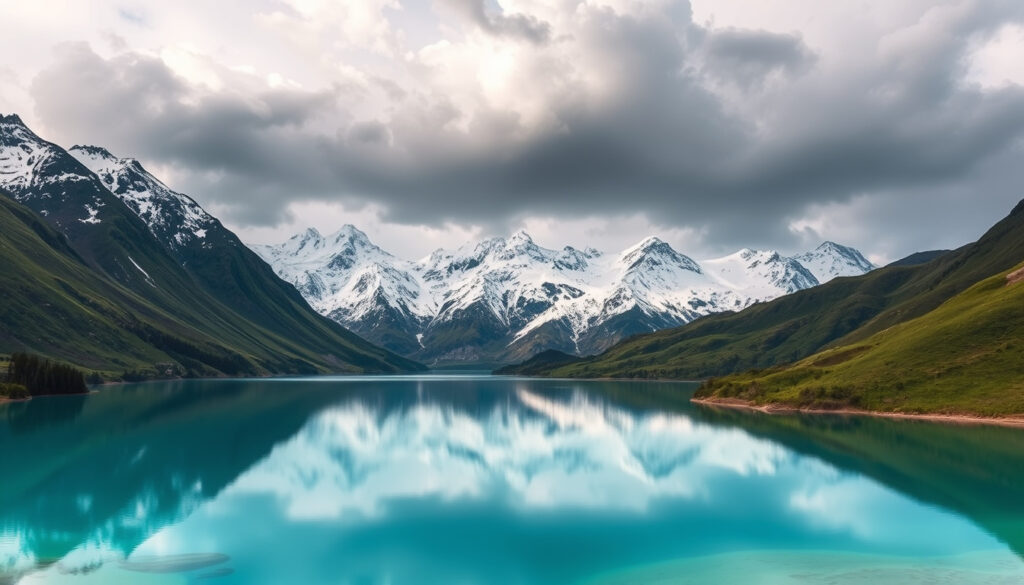
South Island New Zealand: Best Time, Itineraries & Tips
There’s a reason the South Island of New Zealand occupies such a firm spot on so many travel wish lists. Its landscapes—from the fiords of Milford Sound to the golden beaches of Abel Tasman—feel almost impossibly varied.
Population: Approximately 1.2 million (2023 estimate) ·
Area: 150,437 km² ·
Highest point: Aoraki / Mount Cook (3,724 m) ·
Largest city: Christchurch (pop. ~384,000) ·
Main airport: Christchurch Airport (CHC)
Quick snapshot
- South Island is larger than the North Island by land area (Wikipedia)
- Population roughly 1.2 million (New Zealand official tourism site)
- Milford Sound receives over 500,000 visitors annually (Department of Conservation)
- Which island is “nicer” depends heavily on traveler preferences
- Exact cost of a trip varies widely by season and travel style
- Best month to visit depends on desired activities
- Most guides recommend 7–10 days for a road trip covering highlights (Klook)
- 5-day itineraries typically focus on Queenstown and Milford Sound (Finding Alexx travel blog)
- Book accommodation early for peak season (Dec–Feb) (New Zealand official tourism site)
- Consider a campervan for flexibility and cost savings (YODL Travel)
Key facts: South Island at a glance
| Fact | Value |
|---|---|
| Population | ~1.2 million (2023) |
| Area | 150,437 km² |
| Highest point | Aoraki / Mount Cook (3,724 m) |
| Largest city | Christchurch (~384,000) |
| Main international airport | Christchurch Airport (CHC) |
| Number of national parks | 10 |
What is the south island of New Zealand known for?
The South Island is New Zealand’s natural adventure capital, famous for the Southern Alps, fiords, glaciers, and golden beaches. Its main draw is the raw diversity of landscapes crammed into one island.
Top 10 things to do in South Island, New Zealand
- Cruise Milford Sound, often called the eighth wonder of the world (Department of Conservation)
- Bungee jump or skydive in Queenstown (New Zealand official tourism site)
- Hike the Routeburn Track (one of the Great Walks) (Department of Conservation)
- Glacier hikes on Franz Josef and Fox glaciers (New Zealand official tourism site)
- Kayak in Abel Tasman National Park (Department of Conservation)
- Visit Aoraki / Mount Cook National Park and stargaze in the Dark Sky Reserve (Department of Conservation)
- Drive the Crown Range Road for epic mountain views (New Zealand official tourism site)
- Explore the wineries of Central Otago (New Zealand official tourism site)
- Whale watching in Kaikōura (Department of Conservation)
- Relax at Lake Tekapo’s turquoise waters and Church of the Good Shepherd
Most beautiful places in South Island New Zealand
While beauty is subjective, certain spots appear on every list. Milford Sound is the undisputed star, but Lake Tekapo, Wanaka, Franz Josef Glacier, and Abel Tasman National Park are close runners-up (New Zealand official tourism site). Scenic drives such as the Crown Range, Haast Pass, and the Great Coast Road offer constant visual rewards.
If you only have time for one natural wonder, Milford Sound delivers the biggest wow per hour of travel. But the South Island’s real magic is that ten different travelers could name ten different favorites—and none would be wrong.
Which is nicer, North or South Island, New Zealand?
The short answer: it depends. The South Island wins for dramatic alpine scenery, outdoor adventure, and uncrowded roads. The North Island has more cultural attractions, volcanic landscapes, and urban energy. To help you decide, here’s a direct comparison.
First-time visitors face a real dilemma: dividing a limited trip between two very different islands. Choosing the wrong focus can mean hours of extra driving and missed highlights.
| Factor | South Island | North Island |
|---|---|---|
| Landscape | Fiords, glaciers, Southern Alps, lakes | Volcanic peaks, geothermal areas, rolling farmland |
| Adventure activities | Bungee, skydiving, jetboating, skiing | Tongariro Alpine Crossing, black-water rafting |
| Cultural attractions | Fewer; focus on Māori rock art in Kaikōura | Rotorua, Waitangi Treaty Grounds, Te Papa Museum |
| Crowds (peak summer) | High in Queenstown and Milford; quiet elsewhere | Moderate; geothermal parks can be busy |
| Cost of living/travel | Cheaper to live; tourist hotspots are expensive | Accommodation generally cheaper outside Auckland |
| Best for | Hikers, skiers, photographers, road-trippers | Culture lovers, geothermal fans, short breaks |
Which is better, Queenstown or Christchurch?
Queenstown is the adventure hub—bungee, skydive, ski—while Christchurch is the gateway city with a growing food scene and proximity to Banks Peninsula. Choose Queenstown for adrenaline, Christchurch for a relaxed city base (New Zealand official tourism site).
The pattern: South Island suits travelers who prioritize scenery and outdoor action; the North Island appeals more to those wanting cultural depth and urban experiences. The best choice is not one island over the other, but the match with your trip style.
How much time do you need in South Island, New Zealand?
Most guides suggest a minimum of 7–10 days for a road trip that hits the main highlights without constant driving. A 10-day itinerary can even include both islands—for example, five days each (Klook travel blog).
Is 7 days enough in South Island, New Zealand?
Seven days is tight but doable if you focus on one region. A Queenstown base allows day trips to Milford Sound, Glenorchy, and Wanaka. To also include the West Coast glaciers or Abel Tasman, you’ll need at least 10 days (Finding Alexx travel blog).
What is a good 5-day itinerary for the South Island of New Zealand?
A 5-day itinerary works best by concentrating on the Queenstown–Fiordland area. Sample: Day 1–2 Queenstown (bungee, lake cruise), Day 3 Milford Sound overnight cruise, Day 4 Wanaka (puzzle world, lake), Day 5 drive back via Crown Range (New Zealand official tourism site).
“The South Island is the larger of the two main islands of New Zealand by surface area, the other being the smaller but more populous North Island.”
“New Zealand’s South Island showcases a variety of stunning landscapes, from the Southern Alps to the golden beaches of Abel Tasman.”
New Zealand official tourism site
Travelers who try to “do it all” in one week end up spending half their trip behind the wheel. Better to choose one region and go deep than to race through four.
What this means: a focused 7-day itinerary that sticks to one corner of the island will feel far more rewarding than a frantic lap that skips half the named sights.
What is the best month to visit South Island, New Zealand?
There is no single best month—it depends on what you want to do. Summer (Dec–Feb) brings the best weather but also the biggest crowds. Winter (Jun–Aug) is ski season with clear, crisp days. Shoulder months March–April and September–November offer a sweet spot of mild weather and lower prices (Jimny NZ travel guide; See the South Island blog).
South Island, New Zealand weather
Here’s a breakdown of what each season offers, so you can match your travel style to the climate.
| Season | Months | Pros | Cons |
|---|---|---|---|
| Summer | Dec–Feb | Warmest weather, long days, all trails open | Crowds, peak prices, need early bookings |
| Autumn | Mar–May | Mild, fewer people, spectacular fall colors (April) (Finding Alexx) | Some alpine passes may close late May |
| Winter | Jun–Aug | Skiing, stargazing in Dark Sky Reserve, lower prices away from ski fields (YODL Travel) | Short days, some roads icy, fewer activities |
| Spring | Sep–Nov | Fewer tourists, blooming landscapes, good hiking conditions (November) (NZ Pocket Guide) | Weather can be changeable, some tracks still snowy |
The catch: If you want summer warmth without peak holiday crowds, mid-February to late March is the recommended sweet spot (Finding Alexx travel blog).
What is the most beautiful place to visit on the South Island of New Zealand?
Milford Sound is often called the eighth wonder of the world, and it’s the top pick in most traveler surveys (Department of Conservation). But don’t miss Lake Tekapo, Wanaka, Franz Josef Glacier, and Abel Tasman National Park. The scenic drives themselves—Crown Range, Haast Pass, Milford Road—are destinations in their own right.
South island new zealand map
For trip planning, a detailed road map (paper or app) is essential. The island’s shape is long and narrow: highways hug the east coast (SH1) and twist through the mountains on the west (SH6). Key hubs: Christchurch (east), Queenstown (inland south), and Nelson (north top).
For a more comprehensive look, check the South Island travel guide on this site.
Is New Zealand very expensive to visit?
New Zealand is moderately expensive by global standards. Accommodation, fuel, and food cost more than in the US or Australia, especially in remote South Island towns. A typical mid-range budget: NZ$200–$300 per day per person for accommodation, food, and activities (NZ Pocket Guide).
What to beware of in New Zealand?
- Sandflies: Especially bad near lakes and beaches in summer. Bring insect repellent with DEET (Department of Conservation)
- Driving hazards: Narrow, winding roads, one-lane bridges, and sudden weather changes. Drive on the left (NZ Transport Agency)
- Weather swings: Four seasons in one day is common. Pack layers even in summer
- No dangerous wildlife: No snakes, no predators—but watch for kiwi crossing roads at night
The biggest budget shock is fuel: petrol prices in remote South Island towns can be 20–30% higher than in Christchurch. Fill up before you head deep into Fiordland or the West Coast.
The pattern: booking ahead and cooking your own meals are the two fastest ways to bring a South Island trip back within budget.
Confirmed facts vs. what’s still unclear
Confirmed facts
- South Island is larger than the North Island by land area (Wikipedia)
- Population is about 1.2 million (New Zealand official tourism site)
- Milford Sound receives over 500,000 visitors annually (Department of Conservation)
What’s unclear
- Which island is “nicer” depends on personal preferences
- Exact cost of a trip varies widely by season and travel style
- Best month to visit depends on desired activities
- March and April are widely cited as shoulder-season months, but that advice reflects general patterns rather than a guaranteed sweet spot
championtraveler.com, myqueenstowndiary.com, findingtheuniverse.com, championtraveler.com, myqueenstowndiary.com, seasonmap.app
Frequently asked questions
What is the best way to get around South Island?
Renting a car or campervan is the most flexible option. Domestic flights connect Christchurch, Queenstown, and Nelson, but you’ll need wheels for any sightseeing. The InterCity bus network covers main towns (New Zealand official tourism site).
Do I need a visa to visit New Zealand?
For many nationalities, you can visit visa-free for up to 3 months (6 months for UK citizens). Most travelers need an NZeTA (Electronic Travel Authority) before departure. Check the Immigration New Zealand website.
Is it safe to drive in the South Island?
Yes, but roads are narrow, winding, and often single-lane. Drive on the left, obey speed limits, and be prepared for ice in winter. Always carry chains for mountain passes (NZ Transport Agency).
What currency is used in New Zealand?
New Zealand Dollar (NZD). Credit cards are widely accepted, but carry cash for small towns and someDOC huts.
Can I see the Southern Lights (Aurora Australis) in the South Island?
Yes, especially winter months (May–August) from dark-sky locations like Aoraki Mackenzie International Dark Sky Reserve. Aurora alerts are available online (Department of Conservation).
Are there dangerous animals in the South Island?
No snakes, no large predators. The most annoying creatures are sandflies. The biggest physical risk comes from the outdoors: weather, river crossings, and steep trails.
What is the local time zone for the South Island?
New Zealand Standard Time (NZST, UTC+12). Daylight saving (NZDT, UTC+13) runs from September to April.
Editor’s note: For first-time visitors, the choice is clear: if you want dramatic, uncrowded nature and don’t mind longer drives, the South Island is your pick. If you’re after cultural depth and shorter travel times, start with the North Island. Either way, plan for at least 10 days to avoid the “I wish I’d spent more time here” regret.
More related posts
 New Zealand Student Final Year Funding: Fees Free Guide
 Flooding in Nelson Today: Live Updates, Maps & Alerts
 New Zealand Country Code: +64, ISO Codes, and Phone Format
 Crossword Solver Missing Letters – Best Free Tools and Guides
 Wallace Cotton Duvet Covers: Materials & Buying Guide NZ
 Take Home Pay NZ: Calculate Your Net Salary After Tax
 Happy Gilmore 2 Release Date NZ: July 25 on Netflix
 15000 Students Fail NCEA – 2024 Results Explained
