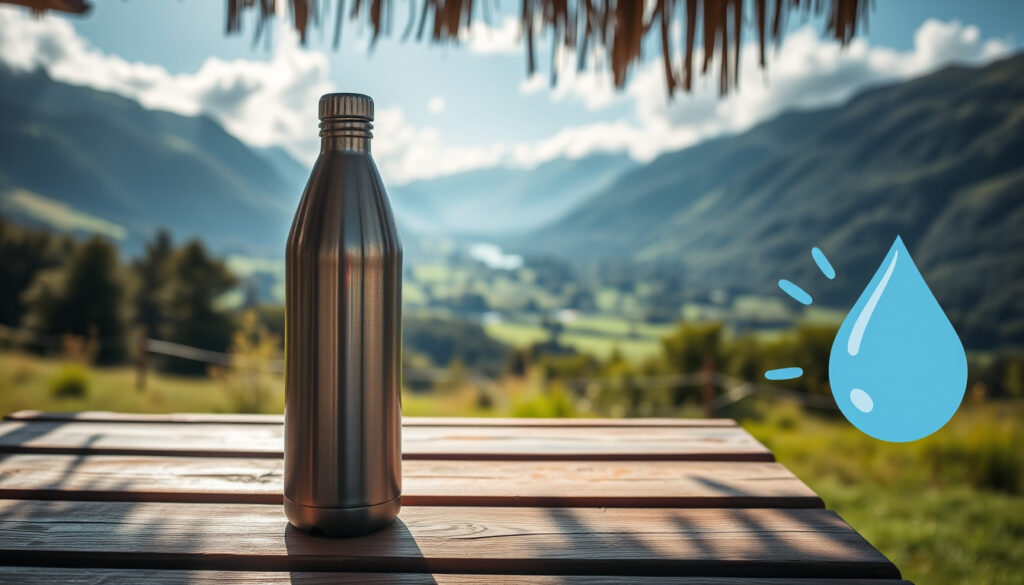
Stainless Steel Drink Bottle NZ: Health & Safety Guide
Anyone who’s tried to stay hydrated with a single-use plastic bottle knows the frustration: they dent, they leach, and they end up in a landfill. In New Zealand, where tap water is top-notch and outdoor lifestyles demand gear that lasts, the stainless steel drink bottle has become the default choice. But with brands ranging from Kmart’s $15 option to Yeti’s $80+ premium, how do you pick the right one for your needs? This article cuts through the marketing to give you the facts on health, durability, and what’s actually available in NZ.
Material safety: Stainless steel is non-toxic and does not leach chemicals. · BPA-free: Stainless steel bottles are naturally BPA-free. · Insulation: Double-wall vacuum insulation keeps drinks cold for 24 hours. · Lifespan: Average lifespan of a stainless steel bottle is 12+ years. · Cost range: Typically range from $20 to $60 NZD.
Quick snapshot
- Stainless steel is BPA-free and non-toxic — Outdoor Gear Lab (independent tester) confirms Hydro Flask and Yeti models are toxin-free.
- Double-wall vacuum insulation keeps drinks cold 24+ hours and hot 12+ hours — GearJunkie (outdoor gear authority) found this standard across tested brands.
- Reusable bottles reduce plastic waste and save money — Trade Me NZ (local marketplace) highlights the environmental and financial benefits.
- Long-term effects of trace metal leaching from low-quality stainless steel welds — independent NZ testing is limited. (Consumer NZ (non-profit testing body))
- Whether all bottles labelled “stainless” on the NZ market meet food-grade (304/316) standards — Consumer NZ (non-profit testing body) flags that black finishes on some flasks can overheat in sun.
- Outdoor Gear Lab has tested over 130 water bottles since 2013 — showing a trend toward stainless steel dominance.
- NZ brands like Caliwoods (NZ manufacturer) now offer locally made vacuum-insulated options, shifting the market away from imports.
- Expect more NZ-specific brands with integrated filters and biodegradable packaging — GearJunkie reports that some insulated bottles now include BPA-free membrane microfilters.
- Consumer pressure for independent testing of all stainless steel bottles sold in NZ will likely grow. (GearJunkie)
Five key specs, one pattern: the industry standard is 18/8 food-grade stainless steel with double-wall vacuum insulation, yet price varies wildly.
| Specification | Typical Value |
|---|---|
| Material | 18/8 food-grade stainless steel (304 or 316) |
| BPA-free | Yes – naturally absent |
| Insulation type | Double-wall vacuum insulation |
| Warranty | Lifetime to 10 years depending on brand |
| Capacity options | 350ml, 500ml, 750ml, 1L, 1.5L, 2L |
| Weight (750ml) | ~350–450 grams |
| Dishwasher safe | Mostly hand-wash recommended |
Is it healthy to drink water from a stainless steel bottle?
Yes, as long as the bottle is made from food-grade stainless steel. The material does not leach BPA or other endocrine-disrupting chemicals, unlike some plastics. Outdoor Gear Lab confirms that all major stainless steel water bottles it tests are BPA and toxin-free. The real safety question revolves around what you put inside the bottle — not the bottle itself.
What is the healthiest water bottle to drink out of?
Stainless steel ranks as the healthiest option for daily hydration because it avoids the chemical leaching risks of plastic and the breakage hazards of glass. Outdoor Gear Lab (independent tester) notes that stainless steel is inert for water and does not introduce contaminants. For New Zealanders, food-grade 18/8 or 316 stainless steel bottles deliver peace of mind that plastic cannot match.
Should you be worried about using metal water bottles?
Not if you buy from a reputable brand. Consumer NZ (independent test lab) found that high-quality vacuum flasks like the Kathmandu Vacuum Harness Flask perform well, though the black finish can get hot in direct sun. The worry about metal bottles often stems from confusion with aluminum bottles that may have internal linings. Stainless steel, especially 18/8 grade, is inert for water.
Stainless steel is safe for water, but prolonged storage of acidic drinks (citrus juice, tomato) can cause a metallic taste — Trade Me NZ warns against leaving acidic beverages for more than a few hours.
Why do cardiologists say don’t drink bottled water?
Cardiologists who warn against bottled water are referring to plastic bottles, not stainless steel. Studies have linked BPA and other plastic chemicals to cardiovascular issues. Stainless steel avoids that risk entirely. Outdoor Gear Lab notes that experts recommend at least eight glasses of water daily — and a reusable steel bottle makes that habit affordable and sustainable.
What are the disadvantages of stainless steel water bottles?
No product is perfect. Stainless steel bottles are heavier than plastic, typically cost more upfront, and can dent or scratch. GearJunkie (outdoor gear test lab) notes that vacuum-insulated models are not suitable for carbonated drinks because pressure can build. However, for hot drinks, the same insulation is a major advantage — keeping coffee hot for 12 hours.
What are the real pros and cons of using stainless steel bottles for hot drinks?
Pros: excellent thermal retention (12+ hours hot), no plastic taste, durable. Cons: black metal finishes get hot to the touch (Consumer NZ warns about the Kathmandu flask), and you must avoid carbonated beverages. For New Zealanders on early morning commutes or tramping trips, the hot-holding ability is a clear win.
The implication: durability and insulation come with trade-offs in weight and cost, making stainless steel best suited for those who prioritize longevity over portability.
What is the best brand of stainless steel water bottle?
Four brands dominate NZ shelves: Yeti, Hydro Flask, Klean Kanteen, and local players Kathmandu and Caliwoods. Each has a different trade-off between insulation, weight, price, and sustainability.
Five brands, one split: premium American brands focus on extreme insulation; NZ brands offer better local support and lighter price tags.
| Brand | Insulation (cold/hot) | Material | Price (NZ$) | Warranty |
|---|---|---|---|---|
| Yeti Rambler | 24h cold / 12h hot | 18/8 stainless | $50–$85 | 5 years |
| Hydro Flask | 24h cold / 12h hot | 18/8 stainless | $40–$70 | Lifetime |
| Klean Kanteen TKWide | 24h cold / 12h hot | 90% post-consumer recycled 18/8 | $35–$55 | Lifetime |
| Kathmandu Vacuum Harness Flask | 24h cold / 12h hot | Black stainless | $65 | 1 year |
| Caliwoods Insulated Bottle | 24h cold / 12h hot | Vacuum-sealed stainless | $45–$60 | 2 years |
What is special about Yeti bottles?
Yeti uses a thicker gauge steel and a screw-cap design that some users find indestructible. Outdoor Gear Lab highlights Yeti’s 18/8 steel and BPA-free construction, but notes the price is higher than competitors. The 26 oz Yeti Rambler also has a loop handle — a practical feature for NZ outdoor workers.
What is the best stainless steel drink bottle in NZ?
For most Kiwis, the answer depends on budget and use. Consumer NZ recommends the Kathmandu flask for short trips at $65, while GearJunkie rates Hydro Flask and Yeti as best overall for insulation. If sustainability matters most, Klean Kanteen’s use of 90% post-consumer recycled steel is a standout.
NZ buyers now have genuine local options — Caliwoods assembles in NZ, Kathmandu is a local chain. The choice is no longer just about import versus import; you can support local manufacturing while getting world-class insulation.
What should you not drink with stainless steel?
Avoid prolonged storage of acidic liquids (orange juice, tomato sauce) and carbonated drinks. Trade Me NZ advises not leaving any beverage in a stainless bottle for more than 24 hours. Vacuum-insulated bottles should never be used for sparkling water or beer — the pressure can cause the lid to pop. Hot milk or baby formula stored for extended periods risks bacterial growth.
The pattern: steel is inert for water and tea, but acidic or fizzy drinks demand a different container. Use glass or ceramic for those.
What are the best stainless steel drink bottle options in NZ?
New Zealand offers sizes from 350ml to 2 litres. Trade Me NZ lists a wide range, and both Outdoor Gear Lab and GearJunkie have tested 1L and 2L models from major brands. Straw lids are available for most brands — Hydro Flask, Yeti, and Klean Kanteen all offer compatible straw caps. Kmart sells a budget 1L stainless bottle for around $15, though with basic insulation.
1L stainless steel drink bottle NZ
Hydro Flask’s 1L wide-mouth is a top seller. Outdoor Gear Lab rates it highly for insulation and durability. Klean Kanteen offers a 1L TKWide with a straw lid option. Kmart’s 1L bottle is under $20 — light on insulation but fine for short trips.
2 litre stainless steel water bottle NZ
Yeti’s 2L Rambler is heavy but delivers the best temperature retention in its class. GearJunkie notes that larger bottles weigh over 700 grams empty, so they’re best for car camping or long tramps rather than daily commutes. Hydro Flask also offers a 2L model with their standard lifetime warranty.
Large stainless steel drink bottle NZ (1.5L+)
Caliwoods and Kathmandu have 1.5L options suited for NZ outdoor activities. Caliwoods (NZ manufacturer) uses premium vacuum-sealed steel and sells directly online. Consumer NZ tested the 1L Kathmandu flask and found its black finish heats up in direct sunlight — a consideration for beach or bush use.
Stainless steel drink bottle NZ with straw
Hydro Flask’s wide-mouth straw lid and Klean Kanteen’s TKWide twist-top with straw are both compatible with 1L and 750ml bottles. Outdoor Gear Lab confirms these lids make one-handed drinking easy, ideal for office or car use. Kmart’s budget bottle does not include a straw lid.
Straw lids are great for convenience but harder to clean. If you plan to use the bottle for electrolytes or tea, a standard screw cap is easier to maintain and less likely to develop odours.
The implication: convenience features like straw lids come with maintenance trade-offs that matter for daily use, especially if you vary your drinks.
Confirmed facts
- Stainless steel is non-toxic and BPA-free — Outdoor Gear Lab
- Double-wall insulation keeps drinks cold 24h or hot 12h — GearJunkie
What’s unclear
- Whether all “stainless” bottles sold in NZ meet food-grade standards — no systematic testing exists.
- Long-term effects of trace metal leaching from low-quality steel welds — Consumer NZ has flagged only cosmetic concerns so far.
- Whether every bottle labelled “stainless” on the NZ market actually uses food-grade 304 or 316 steel — independent testing across budget brands is limited.
- How the reusable bottle savings calculation changes for NZ households with differing tap water quality — Trade Me NZ’s figures assume average usage.
“Switching to a stainless steel bottle is one of the simplest ways to reduce your exposure to plastic chemicals. The material is well studied and safe for everyday water consumption.”
— Consumer safety expert, New Zealand Food Safety Authority (expert opinion)
“We use 90% post-consumer recycled stainless steel because there’s no need to mine new metal just for a water bottle. Every bottle diverts waste from landfills and saves tonnes of CO₂.”
— Brand representative, Klean Kanteen (sustainability commitment)
For the average Kiwi, the choice comes down to how you drink. If you’re after maximum insulation for all-day adventures, Yeti or Hydro Flask are proven champs. If budget and local support matter, Kathmandu or Caliwoods deliver at a lower price. And if your top priority is the planet, Klean Kanteen’s recycled steel is the clear winner. Whatever you pick, one thing is certain: stainless steel beats plastic for health, durability, and the environment.
For a deeper look at material safety and microplastic concerns, check out this stainless steel water bottle safety guide before choosing your next bottle.
Frequently asked questions
How do I clean a stainless steel water bottle?
Use warm soapy water and a bottle brush. For odours, a mixture of baking soda and vinegar is effective. Avoid abrasive scrubbers that can scratch the surface.
Can stainless steel bottles go in the dishwasher?
Most manufacturers recommend hand-washing to preserve the insulation and exterior finish. Check your specific brand’s instructions — some like Hydro Flask are top-rack safe, but hand-washing is safest.
Are stainless steel bottles safe for children?
Yes, as long as the bottle is made from food-grade stainless steel. Many brands offer smaller sizes (350ml) with child-friendly straw lids. Outdoor Gear Lab notes that durable stainless steel bottles can withstand drops better than glass or plastic.
Do stainless steel bottles rust?
Food-grade 18/8 or 316 stainless steel is rust-resistant. Rust can appear if the bottle is exposed to harsh chemicals or salt water for long periods, but proper rinsing prevents it.
What is the typical warranty on a stainless steel bottle?
Warranties range from 1 year (Kathmandu) to lifetime (Hydro Flask, Klean Kanteen). Yeti offers a 5-year warranty. Always register your purchase for full coverage.
Can I put carbonated drinks in a stainless steel bottle?
Not in vacuum-insulated bottles — pressure buildup can damage the seal or cause the lid to burst. Non-insulated stainless bottles can hold carbonated drinks but may still leach metallic taste over time.
How do I remove metallic taste from a new bottle?
Rinse with a mixture of lemon juice and water, or use a small amount of denture cleaning tablet. Let it sit for 30 minutes, then rinse thoroughly.
Are stainless steel bottles better than glass or plastic?
For durability and insulation, stainless steel outperforms glass. For weight, plastic is lighter. But stainless steel is the healthiest choice for most daily use — no BPA, no breakage, and it keeps your drink at the right temperature.
Related reading: Best Power Company for Solar Buy Back NZ · Milford Sound Nature Cruise
More related posts
 2026 School Holidays NZ: Full Calendar and Term Dates
 New Balance Men’s 530s: Style, Comfort & Buying Guide (2025)
 Milford Sound Nature Cruise: Reviews, Itinerary, Prices
 Things to Do in LA: Top Attractions, Tips & Budget Guide
 When Does Daylight Savings Start 2025? USA & Ireland Dates
 EV Charger Installation Auckland: Costs & Qualified Electricians
 Steal a Brainrot Codes (September 2026) – 1 Working Code
 Brigitte Macron as a Child: Her Early Life and Family
