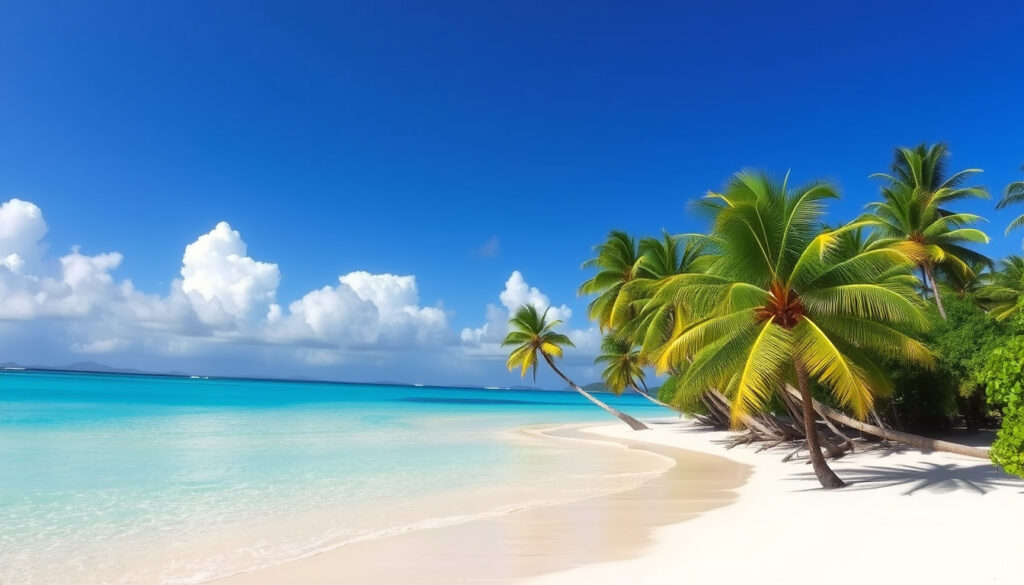
Best Time to Go to Fiji: A Complete Guide to Weather and Seasons
Anyone who’s tried to pin down the ideal time for a tropical getaway knows it’s rarely simple: you want perfect weather, but you also want calm seas for snorkeling and maybe a break from the crowds. In Fiji, the answer depends entirely on which season you choose and what you’re hoping to do.
Average annual temperature: 26°C ·
Dry season: May to October ·
Wet season: November to April ·
Cyclone season: November to April ·
Peak tourist season: June to August ·
Wettest month: March
Quick snapshot
- Low rainfall, average temps of 25–28°C (Fiji Travel)
- Best visibility for snorkeling and diving (Fiji Travel)
- Peak tourist season with higher prices (Virgin Australia)
- High humidity and cyclone risk (Virgin Australia)
- Lower prices and fewer crowds (Intrepid Travel)
- Lush landscapes; water can be murky near river mouths (Virgin Australia)
- Fewer crowds than peak season (Intrepid Travel)
- Mixed weather; transition months (Lonely Planet)
- Good deals on accommodation (Virgin Australia)
Here is a summary of Fiji’s key climate data:
| Attribute | Value |
|---|---|
| Average temperature | 26°C |
| Wettest month | March |
| Driest month | July |
| Peak tourism | June to August |
| Cyclone peak | December to February |
What are the best and worst months to go to Fiji?
Fiji’s climate follows two dominant seasons rather than four distinct ones, according to Virgin Australia’s travel guidance. The dry season (May to October) brings low rainfall and pleasant temperatures between 25°C and 28°C, making it the ideal window for most travelers. The wet season (November to April) shifts to higher humidity, heavier rain, and the annual cyclone window — but also lower prices and fewer tourists.
When not to go to Fiji
- January to March: peak cyclone risk and the wettest stretch of the year, per Intrepid Travel
- Late November to early April: cyclone season can disrupt flights and activities (Fiji Travel)
- Avoid snorkeling near river mouths after heavy rain due to murky water (Fiji Travel’s snorkeling guide)
Is April a good time to visit Fiji?
April marks the tail end of the wet season. It’s considered a shoulder month: fewer crowds, lower accommodation prices, and improving weather — though the chance of a stray tropical downpour remains. Lonely Planet notes that April can work well for budget-conscious travelers willing to gamble on mixed conditions.
What is the best time to visit Fiji from the UK?
For UK travelers, the dry season (May to October) aligns conveniently with summer holiday windows. Flights from London to Nadi are more expensive during July and August, but June and September offer similar weather with lower fares. The wet season (November to April) can be cheaper, but the cyclone risk from December to February is real (iExplore).
Peak season (June to August) delivers Fiji’s best weather but also its highest prices and busiest resorts. Budget travelers face a real choice: pay more for certainty, or save money in the shoulder months and accept some weather risk.
Upsides
- Dry season: reliable weather, clear water, low cyclone risk.
- Wet season: lower prices, fewer crowds, lush landscapes.
Downsides
- Dry season: high prices, crowded resorts.
- Wet season: cyclone risk, murky water near river mouths, high humidity.
The pattern: the dry season rewards certainty; the wet season rewards budget flexibility.
What month is cyclone season in Fiji?
Cyclone season officially runs from November to April, according to Fiji Travel. The highest risk months are December through February, when tropical cyclones form most frequently in the South Pacific. Virgin Australia notes that the cyclone window can extend into May in some years.
What is the rainy season in Fiji?
The rainy season overlaps directly with cyclone season: November to April. Lonely Planet describes this period as hot, humid, and punctuated by brief but intense downpours. Average monthly rainfall can reach 300mm, with March often the wettest month. Travel insurance that covers weather-related cancellations is strongly recommended during this window (Intrepid Travel).
The table below shows the differences between seasons:
| Season | Months | Average temp | Rainfall |
|---|---|---|---|
| Dry season | May to October | 25–28°C | Low |
| Wet season | November to April | 27–30°C | High (up to 300mm/month) |
| Cyclone peak | December to February | 28–30°C | Very high |
The pattern: dry season travelers get comfort and stability; wet season travelers get lower costs but real cyclone risk from December through February.
A cyclone can cancel flights, damage resorts, and disrupt travel for days. The Australian government’s travel advisories often flag the November-to-April window. If you’re booking during those months, check your insurance policy’s cyclone clause carefully.
The catch: wet-season travelers face both higher mosquito activity and contaminated floodwater risks, raising the stakes for choosing shoulder months.
What to be careful of in Fiji?
Fiji is generally a safe destination, but travelers should be aware of specific health and safety risks — especially during the wet season. Intrepid Travel notes that dengue fever is present, with higher transmission rates in the rainy months when mosquito populations increase. Typhoid and leptospirosis risks come from contaminated water, particularly after flooding.
What is the biggest cause of death in Fiji?
Non-communicable diseases like heart disease and diabetes are the leading causes of death among Fijian residents. For tourists, road accidents account for a notable share of serious injuries, according to travel safety reports. Petty theft occurs in tourist areas like Nadi and Suva, but violent crime against visitors is rare.
What sickness can you get from Fiji?
- Dengue fever: transmitted by mosquitoes; higher risk November to April
- Typhoid: from contaminated food or water
- Leptospirosis: from freshwater exposed to animal urine, especially after flooding
- Traveler’s diarrhea: common in any tropical destination
Is there anything venomous in Fiji?
Venomous sea snakes and stonefish inhabit Fiji’s waters, but encounters with swimmers are uncommon. Fiji Travel advises wearing reef shoes and avoiding touching coral or sea creatures. Jellyfish can also appear after storms, so it’s wise to check local conditions before swimming.
The takeaway: most risks are manageable with standard precautions — mosquito repellent, bottled water, seat belts, and reef shoes. The wet season amplifies health risks from both waterborne diseases and vector-borne illnesses.
Travelers visiting during the wet season (November to April) face a double threat: higher mosquito activity (dengue risk) and contaminated floodwater (leptospirosis risk). Both are avoidable with care, but they raise the stakes for choosing shoulder months instead of peak wet season.
The implication: choosing travel dates outside the wet season significantly reduces health risks.
What is the best time to visit Fiji for snorkeling?
Fiji’s underwater visibility peaks during the dry season, specifically from June to October. Fiji Travel’s ultimate snorkeling guide says the drier winter months offer the clearest water, with calm seas and less plankton. Virgin Australia confirms that May through October provides the best conditions for snorkeling and diving.
Water temperature remains warm all year, ranging from 24°C to 28°C, so you won’t need a wetsuit. The catch: after heavy rain, freshwater runoff from rivers can cloud water near the coast. Fiji Travel specifically warns against snorkeling near river mouths during or after prolonged rain.
| Season | Visibility | Water temp | Best for |
|---|---|---|---|
| Dry (May–Oct) | Excellent | 24–26°C | Reef clarity, photography |
| Wet (Nov–Apr) | Variable, often lower | 26–28°C | Budget trips, warmer water |
The pattern for snorkelers is clear: June to August is the peak window for underwater visibility, but May and September offer strong conditions with slightly fewer crowds. The trade-off — warmer water in the wet season versus clearer water in the dry season — favors dry-season travel for anyone whose priority is visibility.
“The dry season is widely regarded as the best time to visit Fiji.”
— Trailfinders travel blog
“May to October is the most popular time with travellers when the weather is at its best.”
— Intrepid Travel
The implication: for snorkelers, the dry season is the clear winner; the wet season is a gamble on visibility.
soynomada.news, tripnologia.com, whenshoulditravel.com, ozfocushub.org, offtracktravel.ca, fijijournal.com
Frequently asked questions
What is the cheapest time to visit Fiji?
The cheapest months are typically January to March (peak wet season and cyclone risk). November and April (shoulder months) also offer lower rates than the dry season.
Is Fiji safe for tourists?
Yes, Fiji is generally safe. Petty theft occurs in tourist areas, but violent crime is rare. The main risks are health-related (dengue, contaminated water) during the wet season.
Do I need a visa for Fiji?
Many nationalities — including US, UK, Australian, and New Zealand passport holders — get a free visitor visa on arrival for stays up to 4 months. Check with the Fiji Travel website for the latest requirements.
What is the best time to visit Fiji for a honeymoon?
The dry season (May to October) is ideal for honeymooners: sunny weather, calm seas, and romantic island resorts. June through August is peak, so book early for the best resorts.
What should I pack for Fiji?
Light cotton clothing, reef shoes, swimwear, mosquito repellent, sunscreen (60+ SPF), a rain jacket (for wet season), and a fleece for cooler evenings (dry season).
How long should I spend in Fiji?
7 to 10 days is enough for a relaxed island-hopping itinerary. Two weeks allows for exploring the Yasawa or Mamanuca island groups.
Is Fiji expensive to visit?
Fiji can be moderate to expensive, especially during peak season (June to August). Budget options exist (hostels, local buses, street food), but luxury resorts dominate.
For travelers timing their Fiji visit, the decision hinges on one question: are you willing to trade perfect weather for savings, or do you need clear skies and calm seas for snorkeling? The dry season (May to October) wins for reliability; the wet season (November to April) wins for budget. For UK travelers booking around school holidays, June and September offer the best balance of good weather and manageable costs — book early to secure flights.
More related posts
 Full Moon May 2025: Flower Moon Date, Facts, and Meaning
 Knock Knock Jokes for Adults – Dirty, Flirty and Clean
 How to Screenshot on a Laptop: All Methods for Windows and Mac
 How Are You in Japanese – Formal and Casual Phrases
 Best Knock Knock Jokes: 100+ Funny Jokes for All Ages
 Best Meal Prep Containers: Glass vs Plastic Safety Guide
 Best Power Company for Solar Buy Back NZ: Top Rates 2025
 Four Seasons Hotel Sydney: Celebrity Stays, Ownership & Guide
